2025-12-26 23:42:40
Managing Risk in Large Real-Estate Projects
Risk is an inherent part of any real-estate development, particularly at scale. Construction timelines, cost management, market conditions, and operational performance all introduce variables that must be carefully managed. For long-term investors, the question is not whether risk exists, but how effectively it is identified, mitigated, and governed.
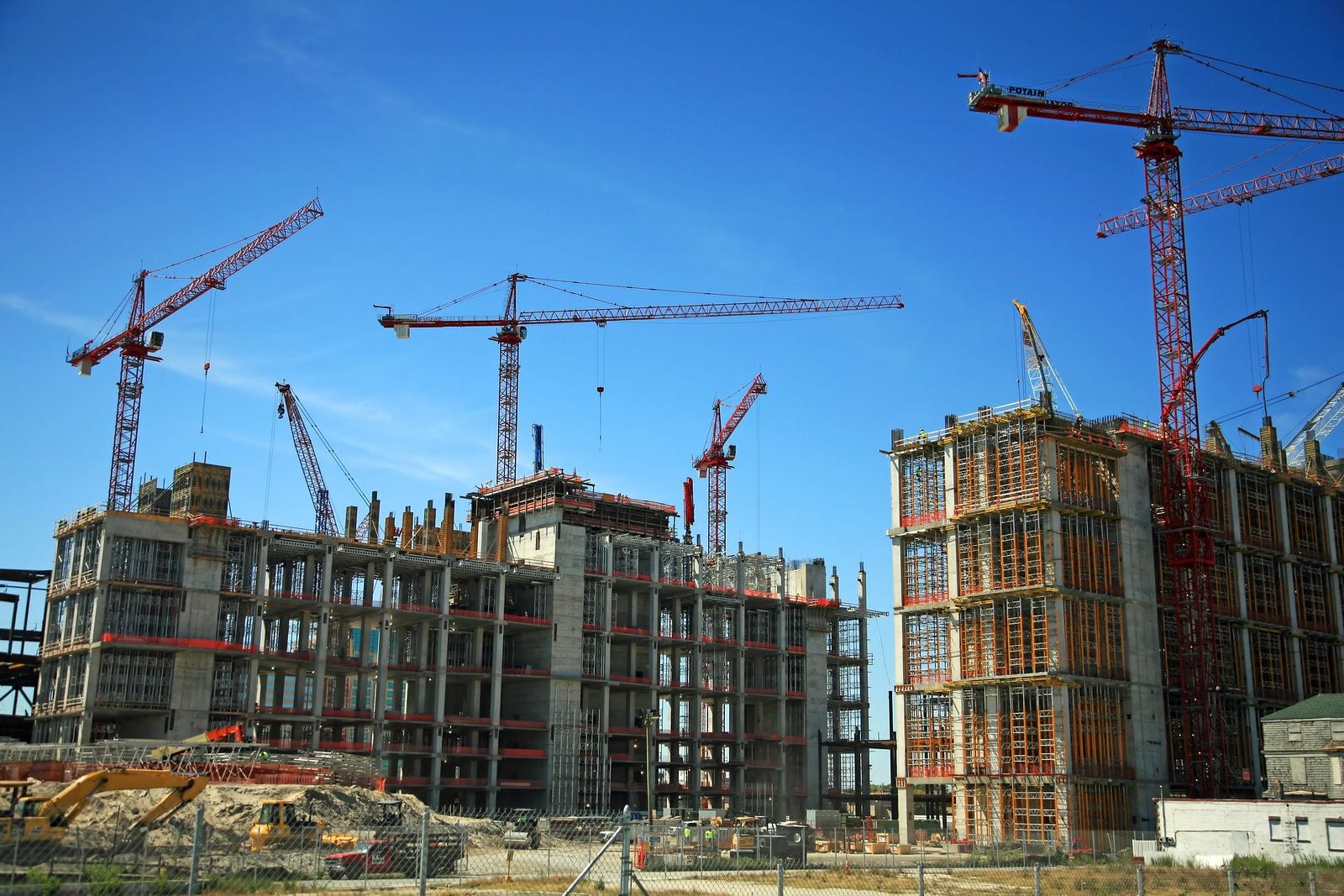
Large-scale developments require a structured approach to risk management from the outset. This begins with phased planning and capital deployment. Rather than committing all capital at once, funds are typically released in stages aligned with clearly defined milestones. This approach helps control costs, improves accountability, and allows issues to be addressed early in the development cycle.
Professional oversight is another critical component. Experienced development and asset management partners play a key role in monitoring construction progress, coordinating contractors, and maintaining quality standards. Independent verification and regular reporting further reduce information gaps and help ensure that projects remain aligned with original objectives.
Operational risk also deserves careful attention. Once a development is completed, long-term performance depends on effective property management, maintenance planning, and tenant engagement. Assets that are well maintained and professionally operated tend to experience more stable occupancy and rental income, reducing volatility over time.
Market risk is mitigated through asset selection and demand fundamentals. Developments anchored in sectors with structural demand — such as student housing — are generally less exposed to short-term economic fluctuations. Education-driven demand provides a level of stability that supports long-term income generation.
Governance frameworks tie these elements together. Clear decision-making processes, transparent reporting, and defined roles help align stakeholders and reduce uncertainty. When governance is strong, risks are not eliminated, but they are managed within a disciplined and predictable structure.
Modern digital infrastructure can further support risk management by improving reporting consistency and communication. However, technology serves as a tool rather than a substitute for professional judgment and experience.
Ultimately, effective risk management in large-scale real-estate development is about structure, discipline, and transparency. Projects that integrate these principles from the beginning are better positioned to deliver sustainable outcomes for investors over the long term.