2025-12-26 23:26:53
Income vs Reinvestment in Real Estate
One of the most important decisions in any income-producing real-estate project is how rental income is managed over time. Investors often focus on distributions, but long-term asset performance depends just as much on reinvestment discipline as it does on income payouts.
In professionally managed real-estate structures, income is typically divided between distributions to investors and reinvestment into the asset itself. This balance is essential. Excessive distribution can weaken an asset over time by limiting funds available for maintenance, upgrades, and operational resilience. Conversely, insufficient distribution can reduce investor confidence and alignment.
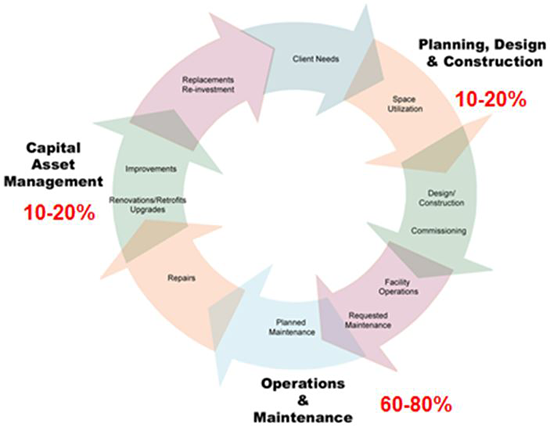
Reinvestment plays a critical role in preserving asset quality. Student housing, in particular, requires consistent attention to maintenance, technology upgrades, and tenant experience. Properties that are regularly reinvested in tend to maintain higher occupancy rates, stronger rental demand, and better long-term valuation. This approach protects the asset against obsolescence and competitive pressure.
From an investor perspective, disciplined reinvestment reduces risk. Well-maintained assets are less exposed to sudden capital expenditures and are better positioned to adapt to changing regulations or market expectations. Over time, this supports income stability and helps preserve capital value.
At the same time, structured income distribution remains an important component of real-estate investment. Predictable distributions allow investors to benefit from ongoing cash flow while remaining exposed to long-term asset performance. The key is not maximizing short-term payouts, but maintaining a sustainable distribution policy that reflects the asset’s operating needs.
Traditional real-estate funds often adopt this approach by distributing a defined portion of net income while reserving the remainder for asset operations and growth. This model prioritizes durability over immediate extraction and has proven effective across multiple market cycles.
Modern real-estate funding platforms apply the same principles, supported by clearer reporting and governance frameworks. Investors can understand how income is allocated, how reinvestment decisions are made, and how those decisions contribute to long-term outcomes.
Ultimately, successful real-estate investing is not about choosing between income and reinvestment. It is about aligning both in a way that supports asset health, investor confidence, and sustainable value creation over time.